Visual content has become an important part of modern event production. Whether you are organizing a corporate conference, product launch, concert, exhibition, awards ceremony or outdoor activation, a well-planned LED screen can make presentations, branding, live video and other event content easier for your audience to see.
LED screens are increasingly used for events because they can create large, bright and flexible visual displays. However, choosing the right LED screen involves more than selecting the largest display available. Screen size, viewing distance, venue conditions, content type, screen position and event format should all be considered.
What is an LED screen for events?
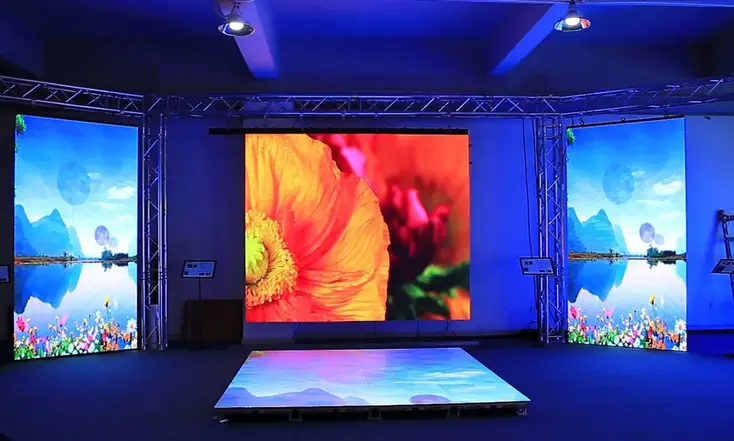
An event LED screen is a modular digital display made up of LED panels that can be assembled into different screen sizes and configurations. Unlike a traditional projector setup, an LED display produces its own light, making it suitable for a variety of indoor and outdoor event environments.
Event LED screens can display presentations, videos, graphics, branding, live camera feeds, animations and other visual content. They can be used as a main stage backdrop, presentation screen, side screen or large visual display depending on the event design.
Why use LED screens at an event?
The main purpose of an event display is to make important visual information accessible to the audience. A properly positioned LED screen can improve visibility and create a stronger connection between the stage and attendees.
1. Improve visibility for the audience
At large conferences, concerts and corporate events, not every attendee will have a clear view of the stage. Large LED displays can provide additional visual coverage for people seated or standing farther from the main stage.
The appropriate screen size and position depend on the venue and viewing distance. Screen placement should be planned so that attendees across the audience can comfortably see presentations, graphics and live video.
2. Strengthen event branding
Corporate events can use LED screens to create branded visual environments. Company logos, event graphics, sponsor messages, presentation backgrounds and branded motion graphics can be displayed throughout the program.
For product launches, conferences and awards ceremonies, the screen can become an important part of the stage design while supporting the visual identity of the event.
3. Display live camera feeds
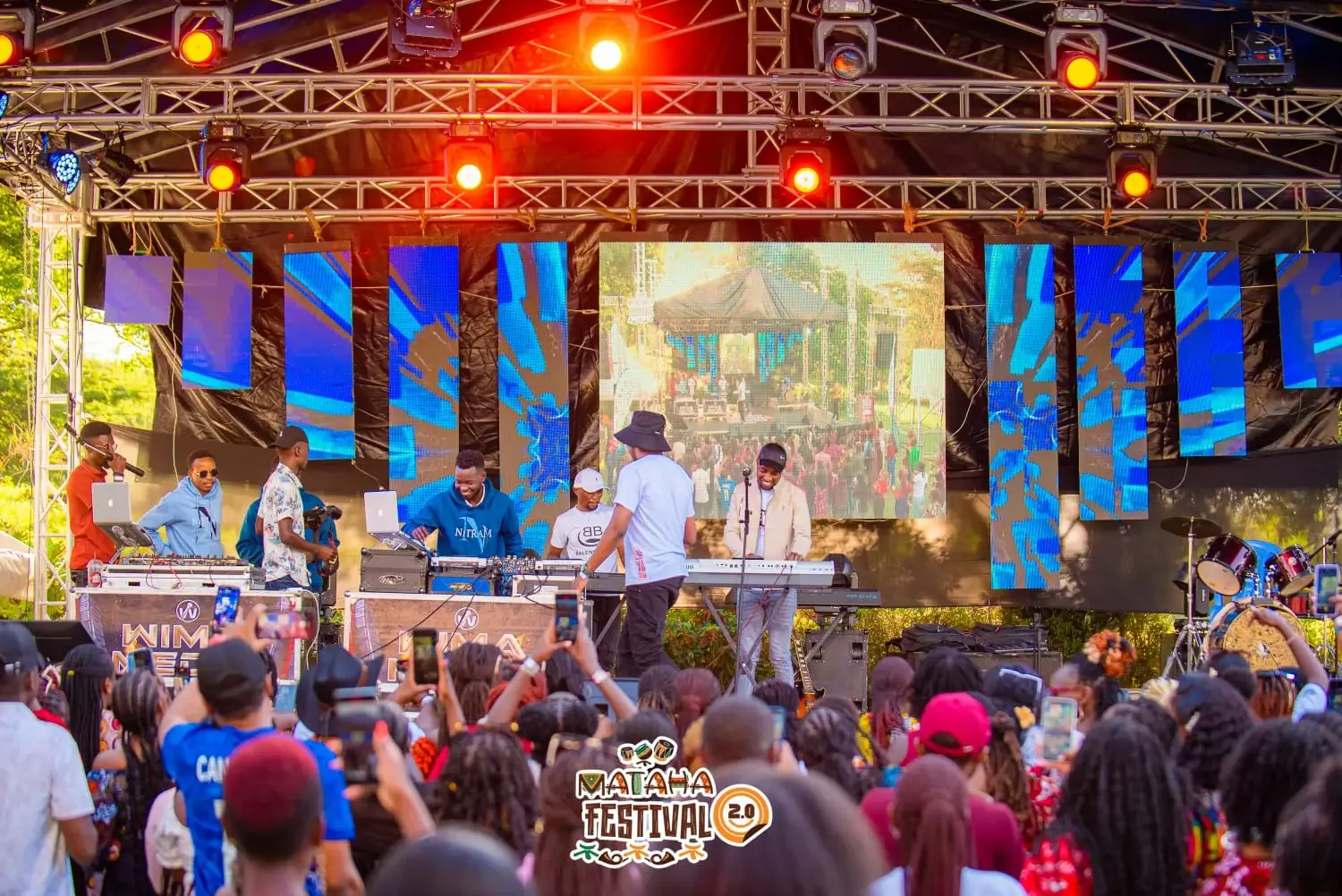
LED screens can also be connected to professional video production systems to display live camera feeds. This is useful when the audience needs a closer view of speakers, performers, demonstrations or activities taking place on stage.
For larger productions, multiple cameras and video sources can be managed through a video control system and displayed on the main LED screen or additional screens around the venue.
4. Create an immersive stage environment
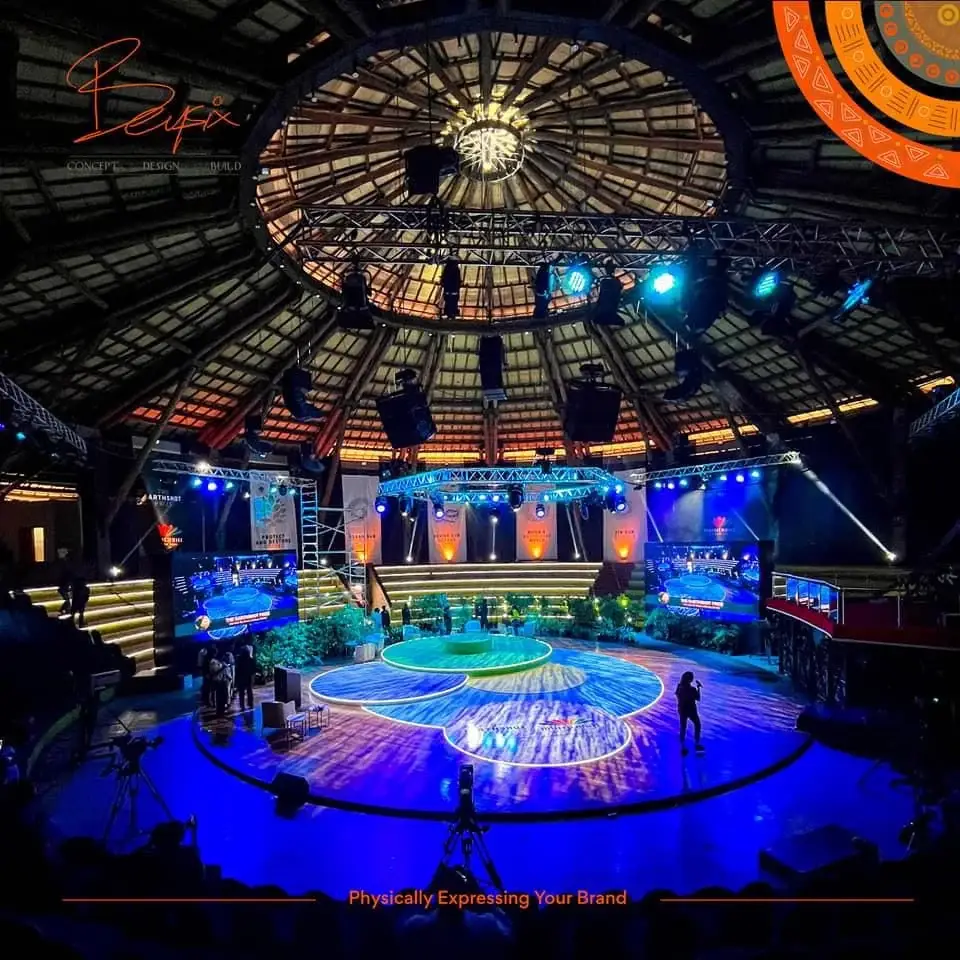
LED screens can form part of the overall stage design rather than functioning only as presentation displays. Large screens, creative content, event lighting and staging can be combined to create a more visually engaging production.
LED screens for corporate events and conferences
Corporate conferences and business events can use LED screens for presentations, speaker visuals, company branding, event schedules, sponsor content and live camera feeds.
For conferences, screen visibility is particularly important. The display should be large enough for the audience and positioned appropriately relative to the stage and seating arrangement.
LED screens for concerts and entertainment events
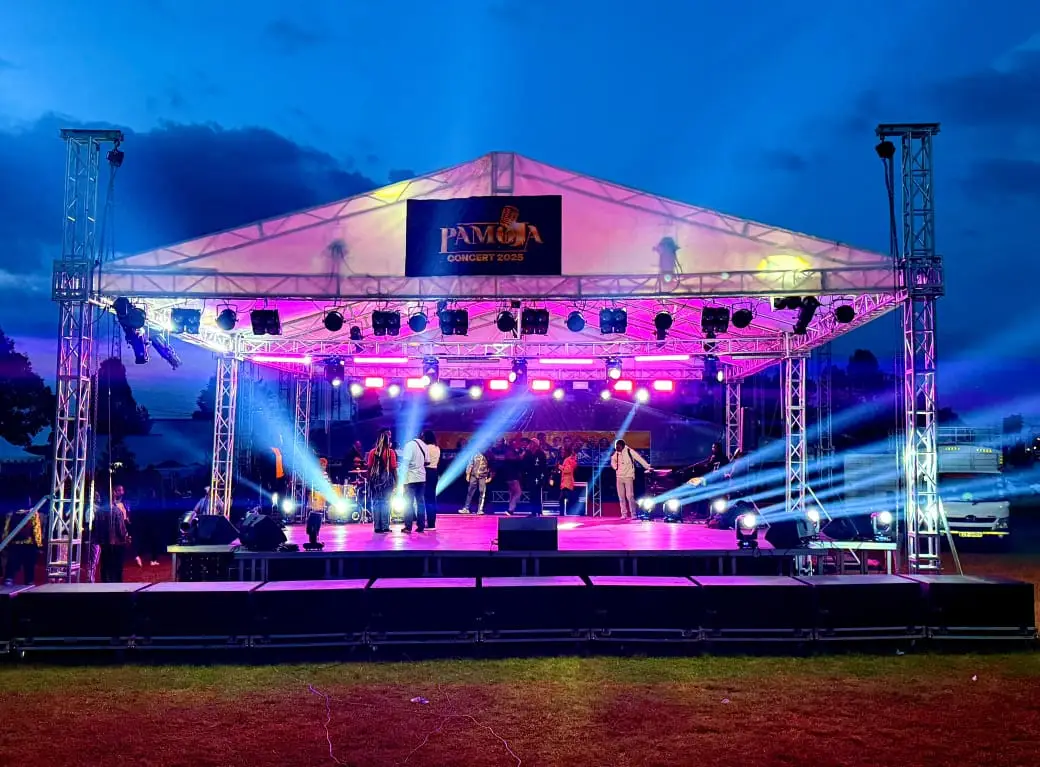
Concerts and entertainment productions often use LED screens to complement stage lighting and live performances. Screens can display live camera feeds, artist visuals, animations, graphics and other content synchronized with the production.
For large outdoor concerts, screen placement and brightness are especially important because the display needs to remain visible under changing environmental and lighting conditions.
Indoor vs outdoor LED screens
The environment where the LED screen will be installed is an important consideration when planning an event display. Indoor events and outdoor productions can have different requirements relating to brightness, weather exposure, viewing distance and installation.
For an indoor conference or ballroom event, the screen configuration can be planned around the room dimensions and audience seating. Outdoor events may require equipment and installation suitable for the environment, together with appropriate technical planning and protection.
How to choose the right LED screen for your event
There is no single LED screen configuration that is suitable for every event. The right solution depends on several factors.
1. Event venue and screen location
Start by assessing the venue. Consider whether the event is indoors or outdoors, the available installation area, stage dimensions and where the audience will be positioned.
2. Audience size and viewing distance
The number of attendees and their distance from the screen should influence the display configuration. A small conference room may require a different solution from a large outdoor event.
3. Type of content
Think about what will be displayed. Presentations, text-heavy slides, videos, live camera feeds and motion graphics can have different technical requirements. Your production team should understand the content before finalizing the display setup.
4. Screen size and configuration
LED panels can be configured into different screen dimensions. The appropriate size should be determined by the venue, audience viewing distance, stage design and type of content being displayed.
5. Technical requirements
An LED screen is part of a larger video production system. Depending on the event, the setup may require video processors, media sources, cameras, switching equipment, laptops and other signal distribution equipment.
LED screens vs projectors for events
Both LED screens and projectors can be useful for events, but the appropriate choice depends on the venue and production requirements. Projectors require a suitable projection surface and controlled lighting conditions, while LED screens generate their own display output.
For events where high visibility, large-format branding or live video are important, an LED display may be considered as part of the production design. A professional AV team can help determine which display solution is appropriate for the venue.
Why professional LED screen installation and operation matters
Hiring an LED screen is only one part of creating a successful visual production. The screen needs to be installed, configured, tested and connected correctly with the rest of the audiovisual system.
Technical preparation can include screen assembly, signal connections, video processing, content testing, camera feeds and coordination with lighting, staging and sound teams.
What to provide when requesting an LED screen rental quote
When requesting an LED screen rental quote, provide as much information about the event as possible. Useful details include the event date, venue, indoor or outdoor location, expected audience size, stage dimensions, viewing distance, type of content and whether live camera feeds will be required.
Providing these details allows the production team to understand the event environment and recommend an appropriate LED screen configuration.
LED Screen Rental in Nairobi and Kenya
SoundMax Entertainment provides LED screen and audiovisual solutions for events in Kenya. LED displays can be incorporated into corporate conferences, product launches, concerts, exhibitions, awards ceremonies, outdoor activations and other event productions.
From indoor conference displays to larger outdoor event screens, the appropriate LED solution depends on the venue, audience, content and production requirements. SoundMax can help you plan the visual requirements as part of the wider event production.
LED screen rental checklist
Before hiring an LED screen, confirm the event venue, audience size, viewing distance, indoor or outdoor environment, screen dimensions, content type, installation requirements, video sources and technical support.
Planning these details early can help ensure that the LED display works effectively with the rest of the event production, including sound, lighting, staging and video systems.
Final thoughts
LED screens can be an effective part of modern event production when they are selected and configured according to the venue and audience. They can support presentations, branding, live video, entertainment content and stage design.
The best screen configuration is not necessarily the largest one. It is the solution that provides appropriate visibility and works effectively with the event's content, venue and overall production design.
Need an LED screen for your event?
If you are planning a conference, corporate event, concert, product launch or outdoor activation in Kenya, contact SoundMax Entertainment to discuss your LED screen and audiovisual requirements. Share your venue, event date, audience size and production needs so the appropriate display solution can be planned.
Need LED screens for your event?
SoundMax provides LED screen and visual display solutions for conferences, corporate events, concerts, launches and outdoor productions across Kenya.
Hire LED Screens