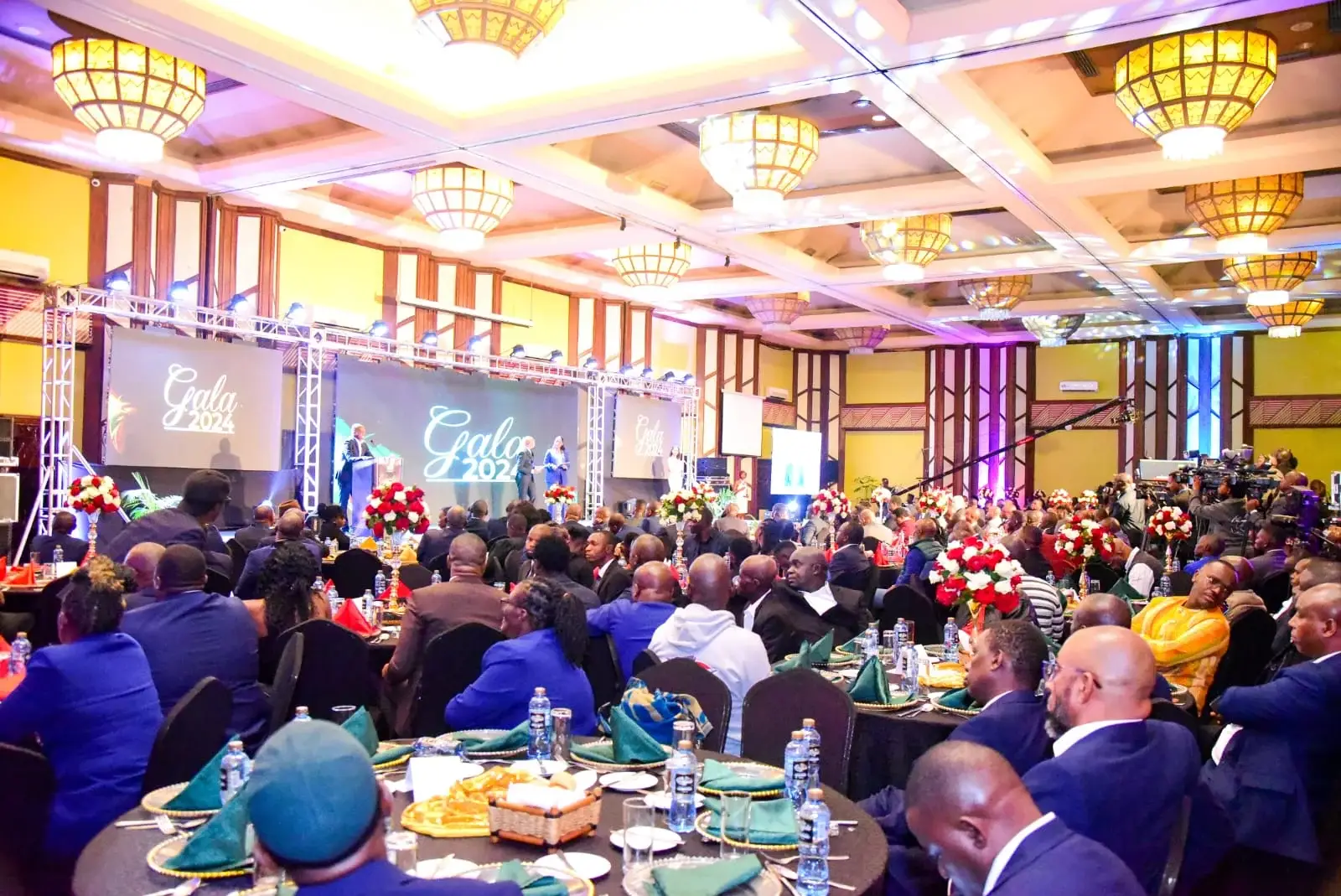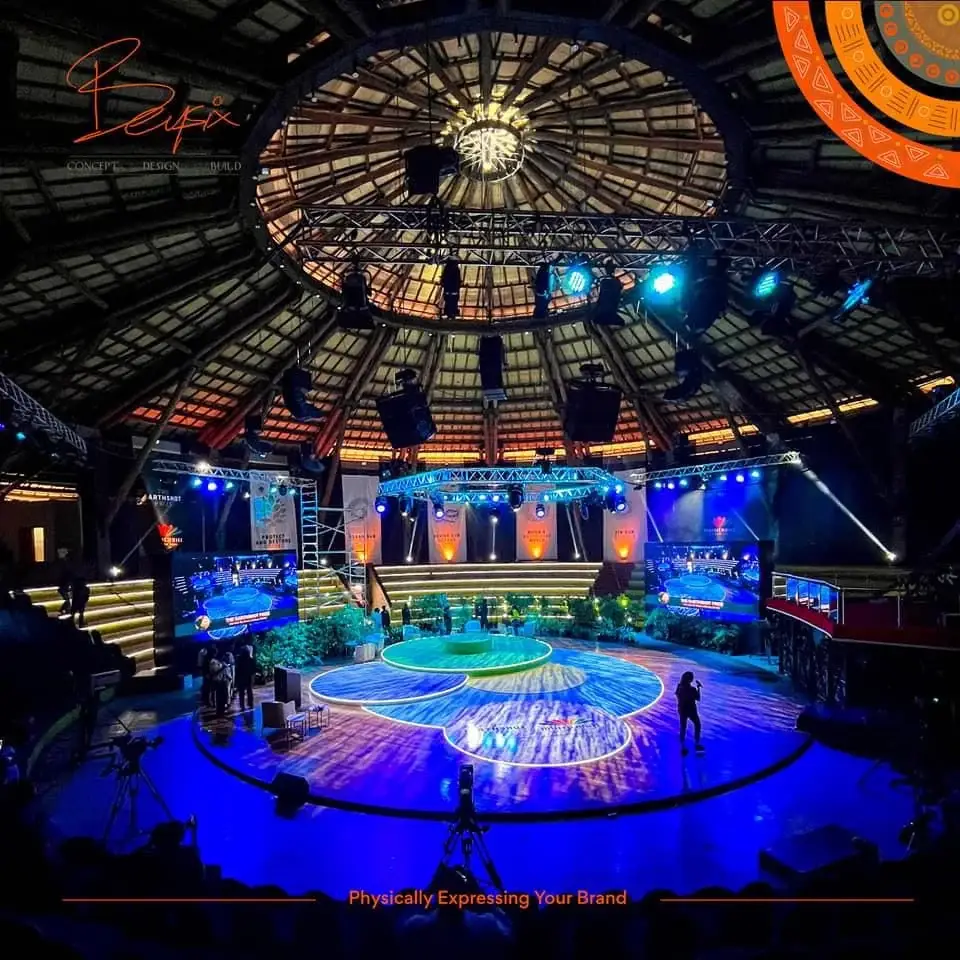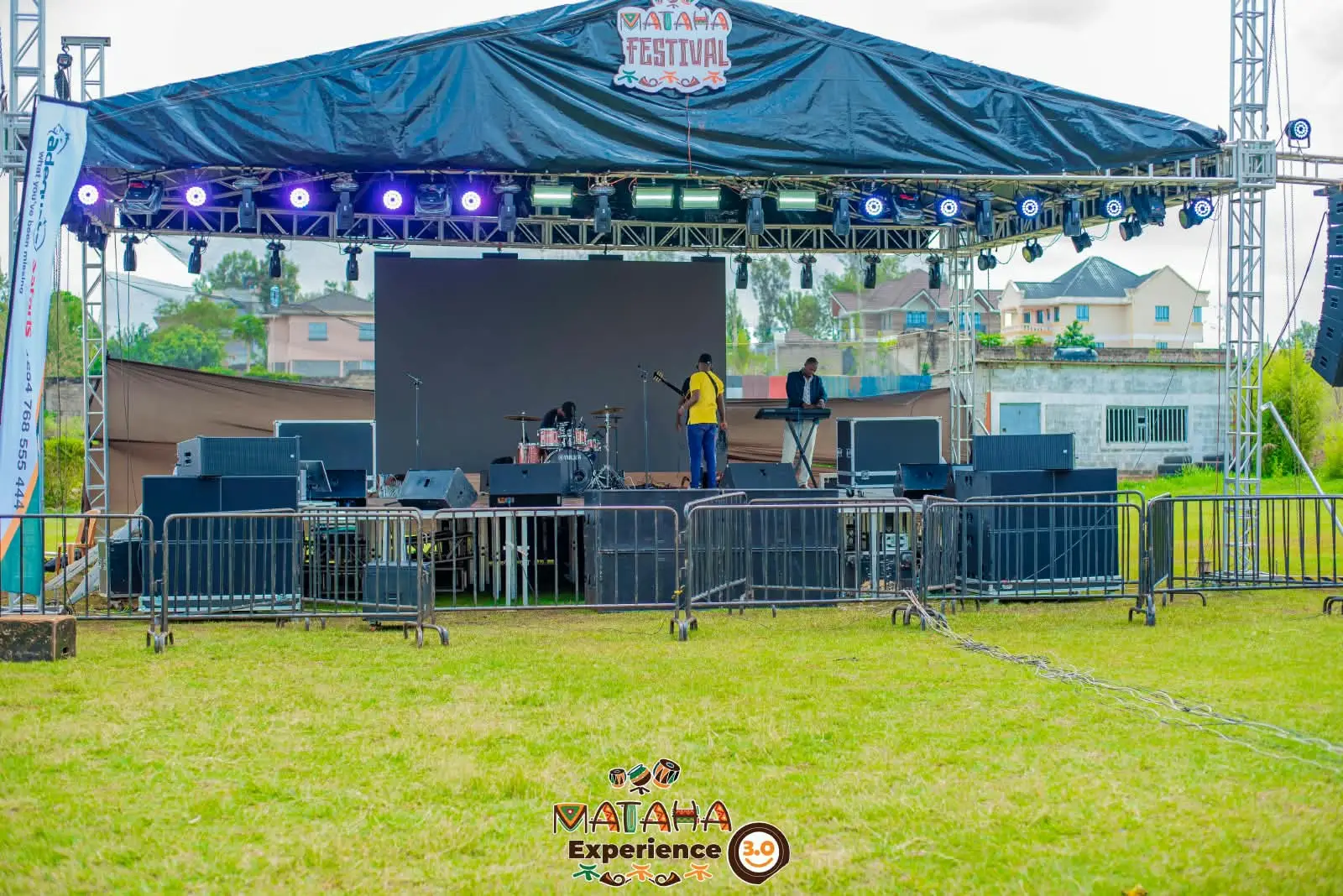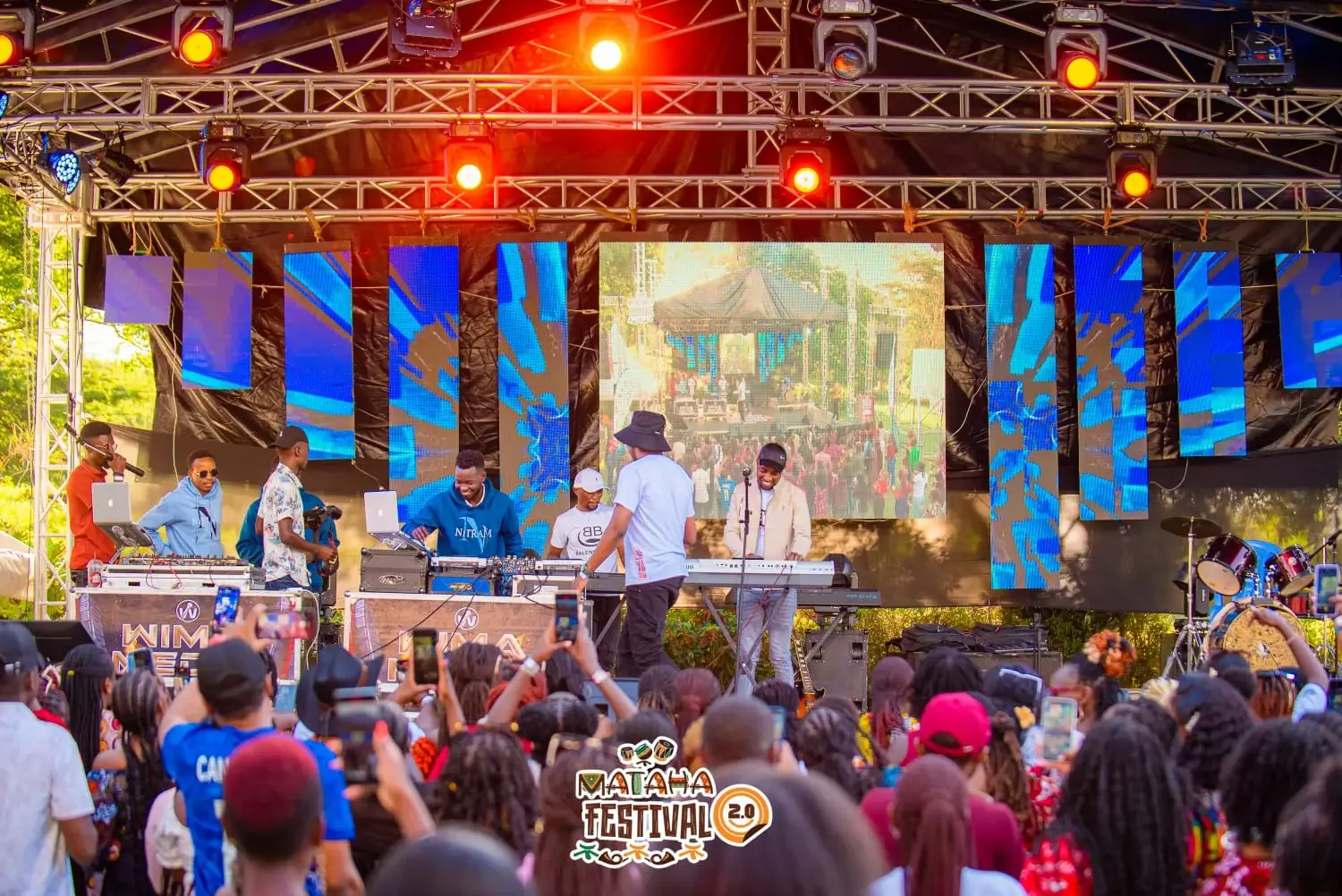
Successful event production starts long before guests arrive. Whether you are planning a corporate conference, wedding, concert, product launch, fashion show or private event, a detailed production checklist helps you organize the technical requirements and reduce last-minute problems.
In Kenya, event production can involve multiple technical systems working together at the same time. Audio, microphones, LED screens, lighting, staging, power, presentation equipment and technical crews all need to be planned around the venue, audience size and event schedule.
1. Define the Event Requirements
Start by clearly defining the type of event, expected attendance, programme, speakers or performers, venue and production objectives. The technical setup for a corporate conference will be different from a concert, wedding, fashion show or product launch.
Create a basic production brief containing the event date, venue, expected audience, programme schedule, stage requirements, branding requirements and technical expectations. This gives the production team a clear starting point.
2. Complete a Venue Assessment
A professional event production setup should begin with a venue assessment. Confirm the room or outdoor space dimensions, audience layout, stage position, loading and access points, available power, ceiling height, rigging possibilities and areas available for technical equipment.
For Nairobi events and other locations across Kenya, venue access and setup schedules should also be confirmed early. Limited access time can affect equipment delivery, installation, testing and rehearsal.
3. Plan the Sound System
Clear and reliable audio is one of the most important parts of event production. Identify the number and type of microphones required, speaker coverage, mixing requirements, monitors, playback sources and stage communication needs.
A conference may require wireless microphones, lectern microphones, panel microphones and presentation playback. Concerts and larger productions may require more advanced speaker systems, stage monitors, subwoofers and additional technical equipment.
4. Confirm Microphone Requirements
List every microphone required for the programme. Consider handheld wireless microphones, lapel microphones, headset microphones, podium microphones and microphones for performers or panel discussions.
It is also important to plan spare microphones, batteries and appropriate frequency coordination where wireless systems are being used.
5. Plan LED Screens and Visual Displays
Determine how audiences will see presentations, videos, branding and live content. Depending on the venue and event format, this may involve LED screens, video walls, projectors, confidence monitors or other display systems.
For conferences and corporate events, screen placement should allow audiences at the back of the room to view presentation content comfortably. Concerts, launches and entertainment events may require larger LED displays for stage visuals, branding and live camera feeds.
6. Prepare Presentation and Video Systems
Confirm the laptops, presentation clickers, video playback systems, switchers, adapters and signal connections required for the programme. If multiple presenters are involved, collect presentation files and test them before the event.
For larger productions, consider live camera feeds and video switching so that the audience can see speakers, performers or other areas of the event on the main LED screen.
7. Plan the Stage and Staging
Confirm the required stage dimensions, height, steps, skirting, backdrop, lectern, furniture and branding elements. Stage design should support both the programme and the technical equipment being installed.
For conferences, the stage may need a presentation area and panel seating. Concerts and entertainment events may require additional space for performers, instruments, monitors and production equipment.
8. Plan Event Lighting
Lighting should provide sufficient visibility while also supporting the atmosphere and visual identity of the event. Consider stage wash lighting, key lighting for speakers, decorative lighting, architectural lighting and dynamic fixtures where appropriate.
Corporate events often require clean and professional stage lighting, while concerts, fashion shows and entertainment productions may use moving-head fixtures, LED lighting and programmed lighting effects.
9. Check Power and Electrical Requirements
Every production should include a power plan. Identify the electrical requirements for audio systems, LED screens, lighting, video equipment and other technical systems.
Confirm the venue's available power and determine whether additional distribution or backup power arrangements are required. Electrical planning should be handled by qualified technical personnel and coordinated with the venue.
10. Plan Equipment Delivery and Setup
Create a detailed equipment list before transportation to the venue. Group equipment according to audio, lighting, video, staging and supporting equipment so that the technical team can identify what is required during setup.
Confirm delivery times, loading areas, venue access, setup windows and equipment storage. Good logistics planning reduces delays and helps the production crew work efficiently.
11. Confirm Technical Crew and Responsibilities
Assign technical responsibilities before event day. Depending on the production, this may include an event production manager, audio engineer, lighting technician, video technician, LED screen technician, stage crew and other support personnel.
Everyone should understand their responsibilities, reporting structure and communication channels before the event begins.
12. Schedule Technical Rehearsals
A technical rehearsal allows the production team to test the complete system before guests arrive. Check microphones, speakers, presentations, videos, LED screens, lighting cues, cameras, playback systems and stage movements.
Speakers and performers should also have an opportunity to test microphones and understand where they need to stand or move on stage.
13. Test Presentations and Content
Collect presentation files, videos, graphics and other media before the event whenever possible. Check file formats, aspect ratios, fonts, audio levels and video playback to reduce the possibility of technical problems during the programme.
14. Prepare a Show Schedule
A production schedule should show when equipment arrives, when setup begins, when testing takes place, when rehearsals start and when the event goes live. Include programme timings and important technical cues.
A shared schedule helps the event organizer, venue, production team and other suppliers coordinate their activities.
15. Prepare Backup Plans
Professional event planning should account for unexpected changes. Prepare practical backup options for important microphones, playback sources, presentation connections and other critical technical systems.
The goal is not to eliminate every possible problem but to ensure the technical team can respond quickly when something changes during the event.
Event Production Checklist: Quick Summary
Before the event, confirm the following: venue access, audience capacity, stage layout, sound system, microphones, mixing equipment, LED screens or projectors, presentation systems, cameras, lighting, power requirements, staging, technical crew, equipment delivery, rehearsal schedule, event programme and backup plans.
Choosing an Event Production Company in Kenya
Working with an experienced event production company can simplify the technical side of an event. When comparing production providers in Kenya, look at the range of services available, equipment requirements, technical support, setup planning, venue coordination and ability to manage the production from preparation through live operation.
For events in Nairobi, having a production team involved early can also help identify technical requirements before equipment is transported to the venue. This makes it easier to plan sound, AV, LED screens, lighting and staging around the actual event space.
Event Production for Conferences, Corporate Events and Live Entertainment
The checklist can be adapted to different types of events. Corporate conferences may prioritize speech clarity, presentations and professional stage lighting. Concerts require stronger audio, stage monitoring, lighting and visual production. Weddings and social events may place more emphasis on atmosphere, decorative lighting, music and visual presentation.
Fashion shows, product launches and brand activations may require a combination of staging, lighting, LED screens, sound, branding and live video. The production plan should always reflect the objectives and format of the specific event.
Why a Detailed Production Checklist Matters
A detailed checklist gives the event team a structured way to identify technical requirements before event day. It can help coordinate suppliers, improve communication, organize setup schedules and identify potential issues early.
Most importantly, professional event production is about making sure the technical systems support the event rather than distracting from it. When audio, visuals, lighting, staging and technical operations are properly coordinated, the audience can focus on the content and experience.
Final Thoughts
Event production involves much more than bringing equipment to a venue. Successful production requires planning, venue assessment, equipment selection, logistics, technical setup, testing, rehearsal and live event operation.
Whether you are organizing a conference, corporate event, wedding, concert, fashion show or product launch, using a structured event production checklist can help your team prepare for the technical requirements and deliver a more organized event.
SoundMax Entertainment provides professional event production, staging, audiovisual solutions, sound systems, lighting, LED screens and equipment rental services for events in Nairobi and across Kenya.
Planning an event in Kenya?
SoundMax provides professional event production support including audio, AV, LED screens, lighting, staging, equipment and technical coordination for events across Kenya.
Talk to Our Production Team