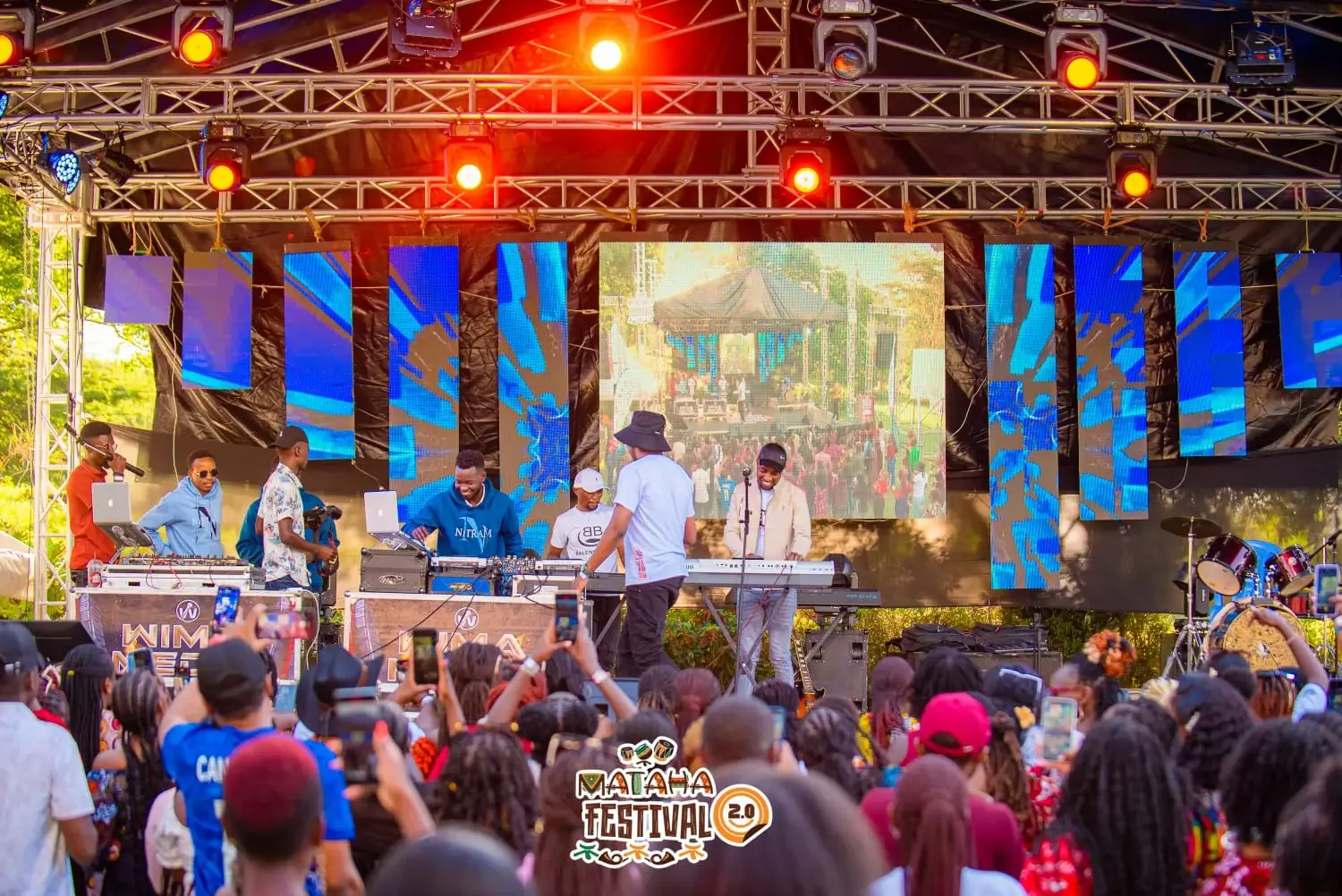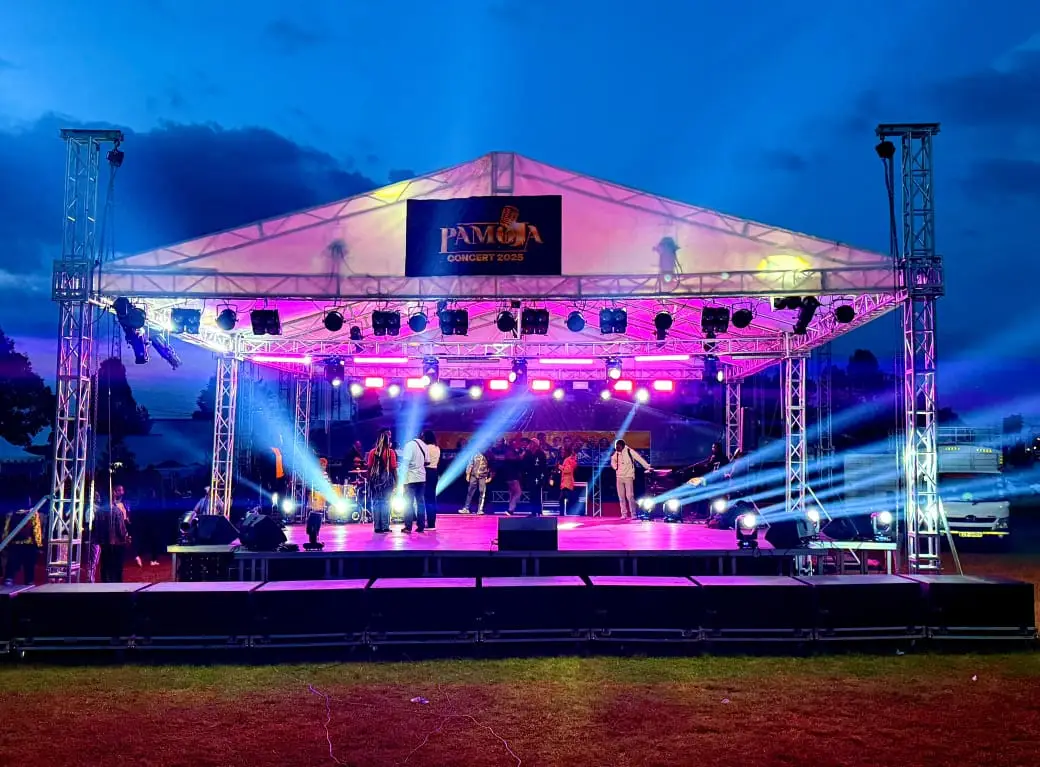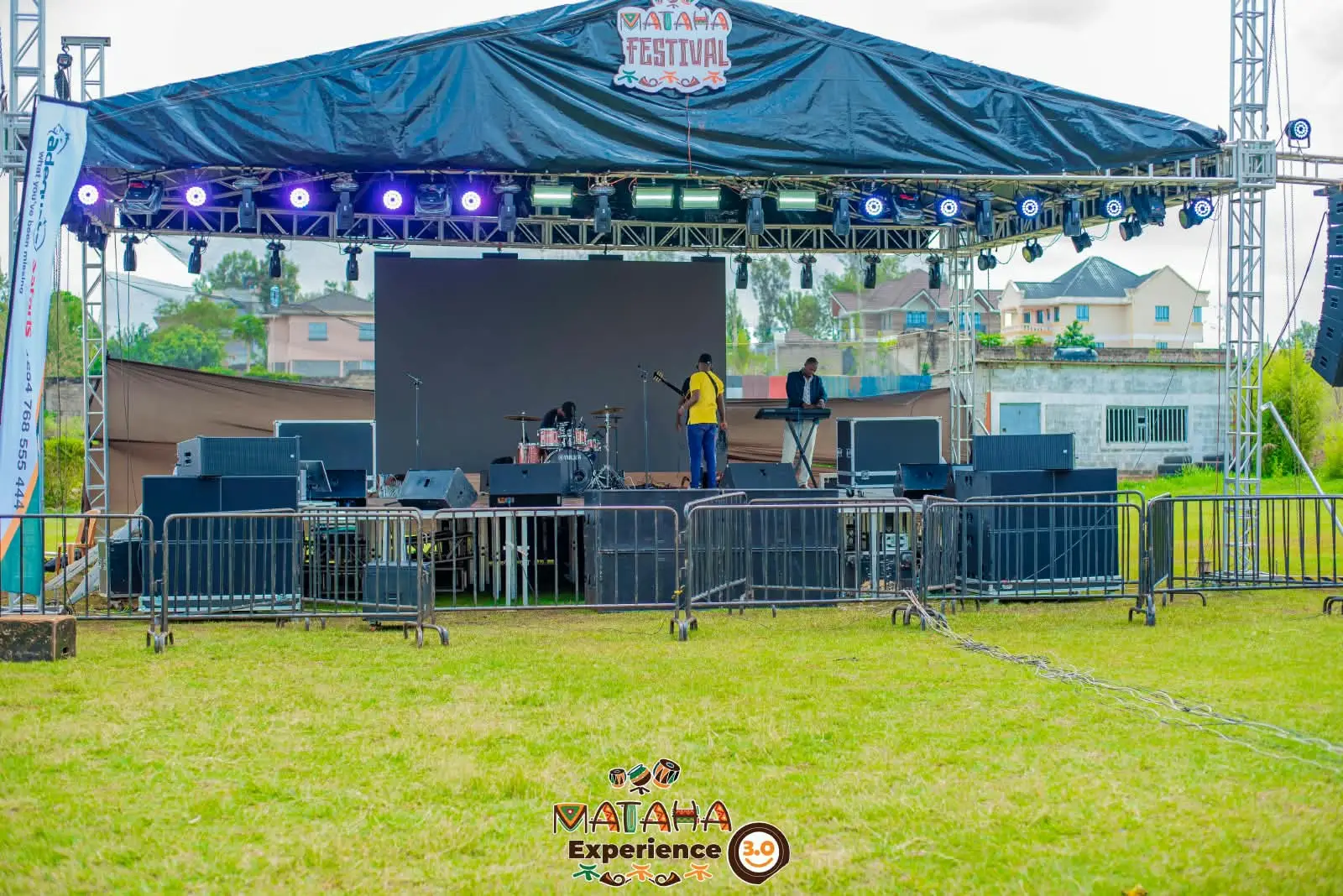
When an audience enters a professionally produced event, they usually see the finished experience rather than the preparation required to create it. Behind the stage, a production team may spend hours or days planning, transporting equipment, building systems, testing technology and coordinating the show.
From corporate conferences and product launches to concerts, weddings, fashion shows and large outdoor events, professional event production requires many different technical elements to work together at the right time.
What Is Professional Event Production?
Event production is the process of planning, preparing, installing and operating the technical systems required to deliver an event. Depending on the production, this can include sound systems, microphones, lighting, LED screens, staging, presentation systems, power distribution and technical personnel.
The production team works alongside event planners, venue staff, presenters, performers and other suppliers to make sure the technical side of the event supports the overall program.
1. Event Planning and Technical Assessment
Production begins long before the equipment arrives at the venue. The technical team first needs to understand the event objectives, venue, audience size, schedule and production requirements.
Important considerations can include stage dimensions, seating arrangement, sound coverage, presentation requirements, LED screen size, lighting positions, power availability, venue access and setup time.
2. Production Design
Once the requirements are understood, the production team develops a technical plan. This determines how audio, lighting, screens, staging and other systems will be arranged within the venue.
A good production design balances the event's creative requirements with practical considerations such as venue dimensions, audience visibility, equipment access, safety and available setup time.
3. Equipment Preparation
Before equipment reaches the venue, production teams prepare and test the required systems. Audio equipment, microphones, lighting fixtures, LED components, staging equipment, cables and other technical assets should be checked before transportation.
Equipment preparation helps identify technical problems early and ensures the production team arrives at the venue with the equipment required for the planned setup.
4. Transportation and Venue Access
Moving event equipment from the production facility to the venue requires careful coordination. Loading, transportation, unloading and venue access must be considered alongside the event schedule.
Venue access can also affect the setup process. Loading areas, elevators, stairs, parking, access doors and available setup windows can determine how quickly equipment can be moved into the event space.
5. Staging and Structural Setup
Staging provides the physical foundation for many professional events. Depending on the production, the setup may include stage platforms, backdrop structures, trussing, branding elements and other stage components.
The stage design should work together with the audio, lighting and visual systems so that presenters and performers remain visible while the audience has clear sightlines.
6. Audio and Sound System Installation
The audio team installs and configures the sound system according to the venue and event requirements. This can include speakers, subwoofers where appropriate, microphones, mixing consoles, monitors and signal connections.
Technicians then test the system to check coverage, microphone levels, signal flow and overall audio performance before the event begins.
7. Lighting Installation
Lighting technicians install and position fixtures according to the production design. Stage wash lights, LED fixtures, moving heads and decorative lighting may all be used depending on the event.
Lighting is then programmed or adjusted to create the required scenes for presentations, performances, speeches and other parts of the event program.
8. LED Screens and Visual Systems
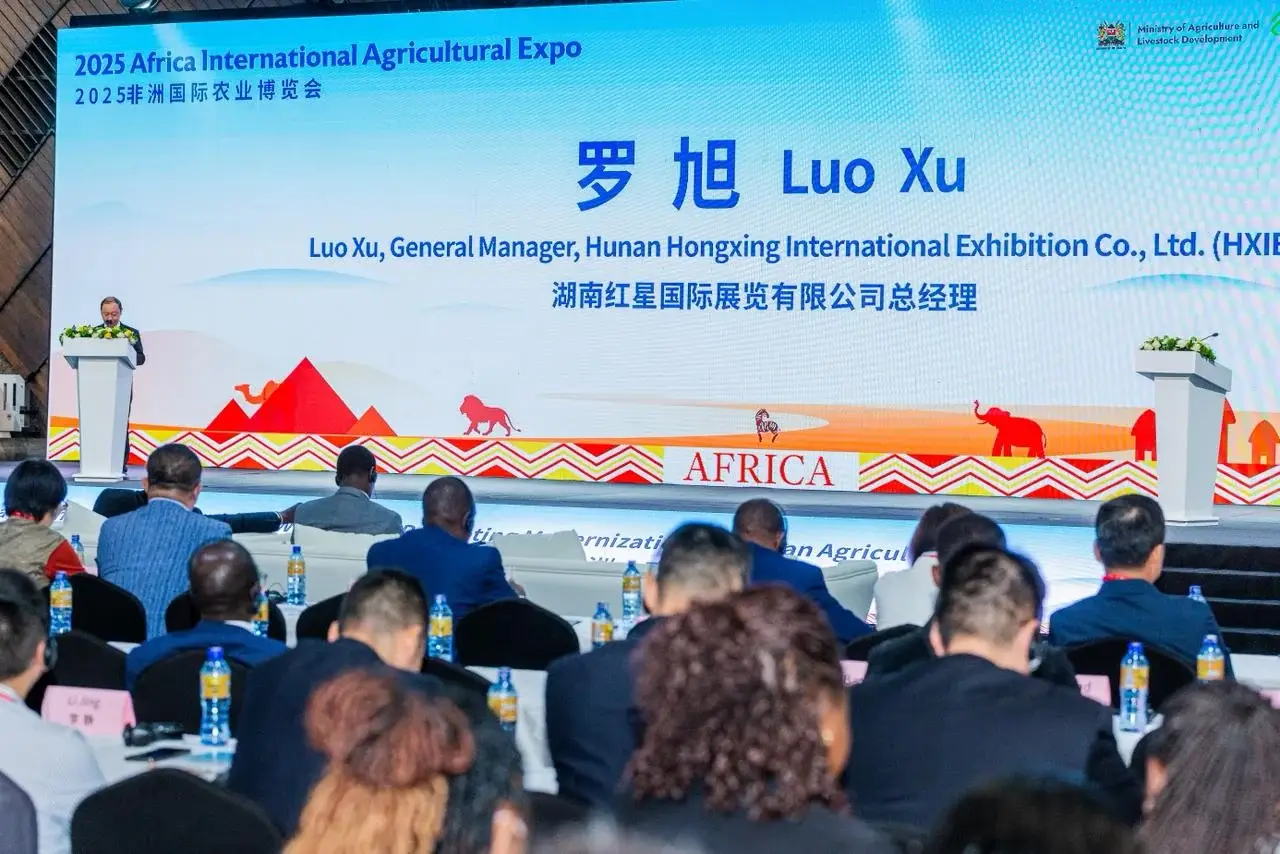
LED screens and other display systems require careful installation and testing. The production team needs to confirm screen configuration, video sources, presentation feeds and content playback before the audience arrives.
For large events, visual systems may also support live camera feeds, event branding, sponsor content and presentations.
9. Technical Rehearsals and Testing
One of the most important stages of event production is testing. The technical team should check audio, microphones, lighting, displays, presentations and other systems before the event goes live.
A technical rehearsal can also allow presenters, performers and production operators to walk through important parts of the program. This helps the team identify timing issues and confirm that technical cues work as expected.
10. Live Show Operation
Once the event begins, the production team moves from setup to live operation. Technicians monitor audio, lighting, video and other systems throughout the program while responding to changes in the event schedule.
Depending on the production, different operators may manage sound, lighting, video, presentations and stage activities. Communication between these teams is important when multiple technical cues need to happen at the same time.
11. Handling Technical Changes During an Event
Live events can change quickly. A presentation may be added, a speaker may need a different microphone or the event schedule may change. Professional technical teams need to adapt while keeping the audience experience as smooth as possible.
Preparation, backup equipment and clear communication help production teams respond to these changes without unnecessarily disrupting the event.
12. Breakdown After the Event
Event production does not end when the final presentation or performance finishes. Equipment must be powered down, dismantled, packed and transported from the venue.
The breakdown process should be organised carefully so that equipment is returned safely and the venue is left according to the agreed schedule.
The Role of an Event Production Company in Nairobi
An event production company in Nairobi can coordinate multiple technical requirements under one production plan. Instead of managing sound, lighting, staging, screens and technical crews separately, event planners can work with a production team that understands how these systems need to operate together.
For larger productions, this coordination can simplify communication between the event organiser, venue and technical suppliers.
Professional Event Production in Kenya
Kenya hosts a wide range of corporate, entertainment, conference and social events that require professional technical production. Each event has different requirements depending on its venue, audience, format and program.
A professional production approach starts by understanding those requirements and then building an appropriate combination of equipment, technical personnel and operational support.
Event Production Checklist
Before an event begins, the production team should confirm the venue layout, stage requirements, sound system, microphones, lighting, LED screens or displays, power requirements, presentation equipment, technical crew, setup schedule and rehearsal time.
Having a clear checklist helps the team track critical production requirements and identify missing equipment or technical issues before the event starts.
Why Professional Event Production Matters
The audience may never notice the hours of preparation behind a successful event, and that is often the result of good planning. When equipment is correctly installed, tested and operated, the technical side of the event can support the program without becoming a distraction.
Professional event production therefore combines technical equipment with planning, coordination, experienced operators and careful attention to detail.
Final Thoughts
Behind every professional event is a production process that begins with planning and continues through equipment preparation, transportation, staging, technical setup, rehearsals, live operation and breakdown.
For conferences, corporate events, concerts, weddings, fashion shows and other productions in Nairobi and across Kenya, the right technical team can help bring the event plan to life while keeping the production organised and reliable.
SoundMax Entertainment provides professional event production, staging, audiovisual solutions, lighting, LED screens and equipment rental services for events in Kenya and selected destinations across East Africa.
Planning an event that needs professional production?
SoundMax provides event production, staging, audio, lighting, LED screens, equipment and technical support for professional events across Kenya and the region.
See Our Production Work